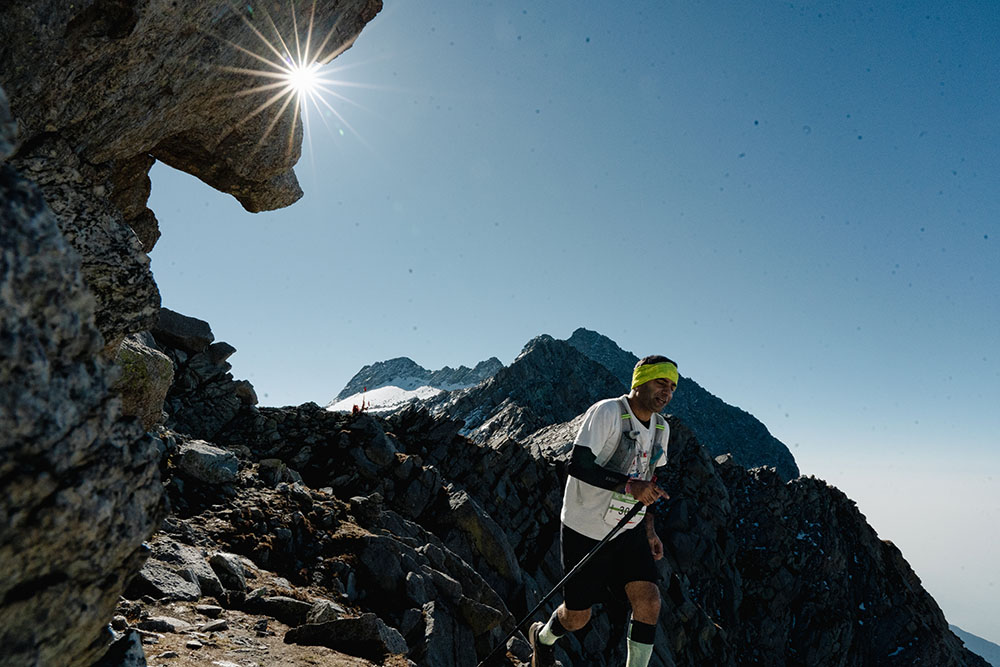
The fifth edition of Summit Run Indrahar ran successfully over the weekend, offering a series of mountain challenges, with the most demanding of them culminating in the ascent to Indrahar Pass and the gateway to the Great Himalayas.
Arguably one of India's most technical trail races, the event reached a new participation high across its distances, attracting runners to the mountain trails above Dharamshala.
The 30K is the event’s Crown Jewel and its defining challenge. The route crosses the Dhauladhar Range, the first major mountain wall rising above the plains of northern India. Starting in Mcleodganj at around 2,000 metres, the out-and-back course climbs to 4,300 metres at Indrahar Pass, gaining approximately 2,900 metres of elevation in the first half alone. Entry into the category requires qualifying through race and trekking experience, and competitors must take a mandatory acclimatization period to handle the elevation change.
Rishabh won the men's 30K in 6:54:47, ahead of Rajan in 6:59:26 and Kartik Rawat in 7:13:17. All 30K finishers also qualified for the 42K category at the 2027 Ladakh Trail to Heaven.
The men's 20K produced the standout performance of the weekend. Nimsang Limboo, one of India's leading trail runners from the Northeast, broke the course record by 25 minutes to win in 2:04:36. Arun Tomar finished second in 2:33:30, followed by Sameer Saikia in 2:35:47.
In the women's 20K, Shivi Baijal took the win in 3:58:01, followed by Juby George in 4:21:48. Devika Patil and Tejal Chandekar shared third place in 4:30:35.
The shorter-distance races offered runners a different way into the mountain trails, with courses designed to build experience and confidence at increasing elevations.
Harmandeep Kaur Gill won the women's 15K in 2:35:01, while Abhinandan Nehria took the men's race in 2:31:03. Aranya Barthwal won the women's 10K in 1:57:19, with Dalbir Singh leading the men's field in 1:37:06. In the 5K, Nishita won the women's race in 40:11 and Debasish Patra took the men's title in 35:53.
As a One Hundred® Candidate Event, Summit Runs Indrahar is being assessed against the standards required for potential inclusion in the One Hundred World Championship, adding significance to this record-breaking edition.
View the full results here.
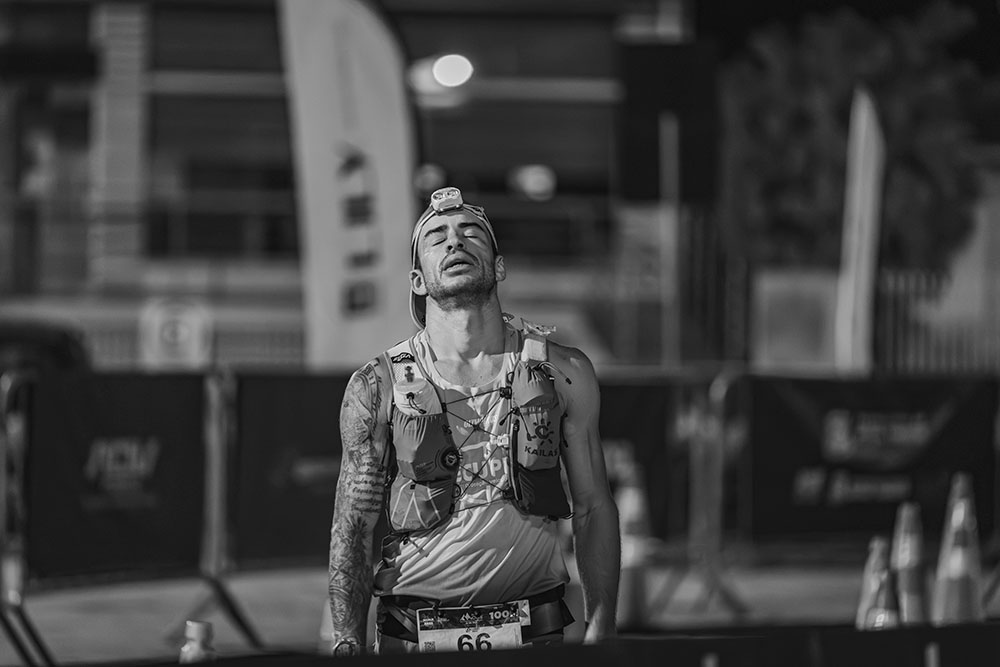
As another One Hundred® World Championship season unfolds across the globe, the path once again leads to Brazil.
In November, the world's leading trail runners will return to Nova Trento for the 2026 World Championship Grand Final at the Sicoob Mons Ultra Trail, where titles across the 200-mile, 100-mile, 100-kilometre, marathon and shorter-distance categories will be decided in a single championship weekend.
Before another group of athletes writes its own chapter in the series' history, reflecting on last year's Grand Final and the thoughts of the 200-mile and 100-mile champions reminds us there is no single formula for becoming a world champion.
From the demands of 200 miles to the intensity of 100, discover what it took for last year's champions to reach the top. Read the full story in Revista Magazine.
Be part of the 2026 One Hundred® World Championship Grand Final. Choose your distance and register now for the Mons Ultra Trail.
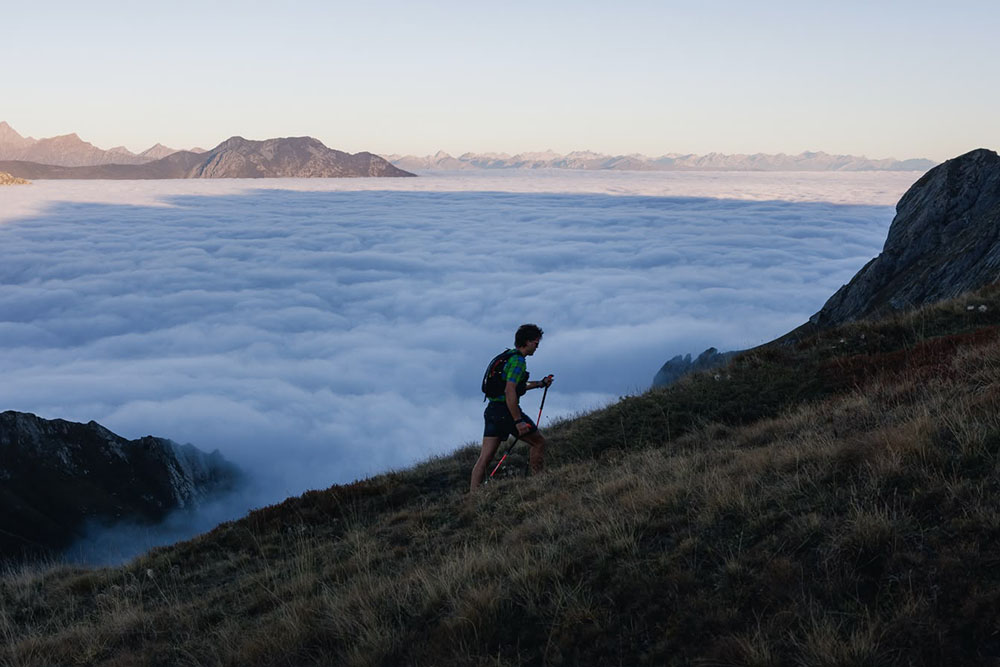
The Grand Raid du Cromagnon returned on 26 September 2026, bringing one of European trail running’s historic races back to life with an exclusive, invitation-only edition traversing the Italian Alps to the Mediterranean.
First held in 2001, the 100-kilometre race, also known as “CroTrail”, runs from Limone Piemonte to Sanremo, crossing the Marguareis Natural Park and the ridges of the Ligurian Alps before descending through the villages of Triora and Bajardo to the sea. With around 6,000 metres of elevation gain and 7,000 metres of descent, the course takes runners from high mountain terrain to Mediterranean coastal scenery.
Under the leadership of Sanremo native and One Hundred ambassador Michele Graglia, and with the support of the One Hundred World Championship, CroTrail has now begun a new chapter.
Rather than reopening immediately to the wider trail running community, the 2026 edition was deliberately delivered as an exclusive “year zero” invitational. A select field of athletes was brought together to test the renewed event, including its organisation, route, logistics and safety systems, ahead of CroTrail’s full public return in 2027.
“For me, taking over the Cromagnon was a personal choice, first of all,” said Graglia. “It is a historic race, which I know and which I feel deeply linked to our territory. In recent years it had been through difficult times and I think it was time to try to give it a new life, to bring it back to the glory it deserves.”
Seventeen invited athletes took on the 100km route, bringing together some of Italy’s leading trail runners with an international field that included One Hundred Head of Events & Logistics Nuno Marques of Portugal, Ladakh Trail to Heaven 2025 champion Shashwat Rao of India and Brazilian documentary filmmaker Gabriel Duran.
Clear conditions greeted the field at the start, with runners setting off above the clouds before beginning their long journey towards the coast.
Sanremo’s Maurizio Ferratusco led the way, winning the men’s race in 14:20. Alessandro Ramò and Giorgio Pulcini completed the podium. Valentina Minniti was the first woman to reach Sanremo, finishing in 22:55.
Full results may be viewed here.
For Oliviero Alotto, the finish carried additional significance. By completing CroTrail, he became the first Gold Slam Legend, having already completed Ladakh Trail to Heaven in 2025 and Costa Rica 200 in 2026.
The Gold Slam brings together three of One Hundred’s defining long-distance challenges: Costa Rica 200, representing heat and jungle; Ladakh Trail to Heaven, representing altitude; and CroTrail, representing the classic Alpine mountain environment. Athletes who complete all three within two seasons become Gold Slam Finishers and earn a place in the One Hundred Hall of Legends.
Following the successful invitational return, the next chapter begins in June 2027, when CroTrail will celebrate its 20th edition and open to the wider trail running community, welcoming runners from around the world to take on the historic journey from the Alps to the Mediterranean.
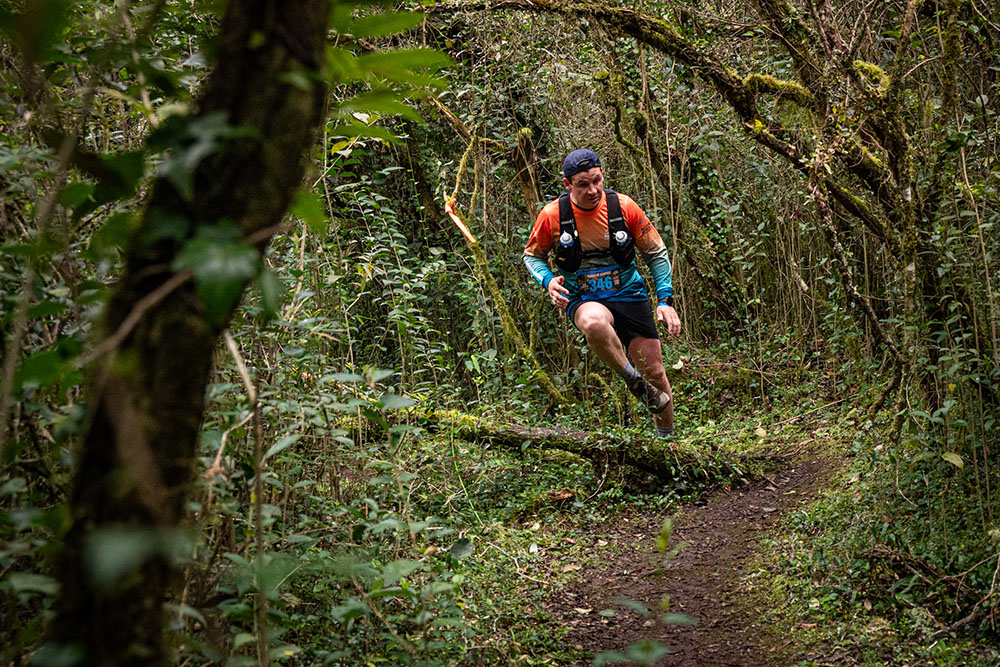
The second edition of the Villa Serrana Trail brought hundreds of runners to the scenic mountains of Lavalleja, Uruguay, on Sunday 13 September. Competitors tackled 9K, 17K and 26K courses from the race start at the iconic Stewart Vargas dam.
Cold and rainy conditions added to the challenge of an already technical course that took runners through native forest, cobbled roads, waterways and steep elevation changes.
In the 26K, Alexis Castro took the men's victory ahead of Alberto González and Facundo Scaglia. Lucía Carrizo led the women's field, followed by Camila Belenguer and Gabriela Martirena.
Gerardo Perdomo won the men's 17K, with Pablo Alejandro Duarte in second. Lorena Sosa claimed the women's title ahead of Mia Zabala and Valentina Espino.
Sebastián Ferrés won the men's 9K, followed by Leonardo Pereira and Adrián Peña, while Natali González took the women's victory ahead of Karen Chagas and María Pía Martínez.
Full race results may be found here.
Organised by Trail Running Uruguay, the race supported the Villa Serrana Social and Sports Club and brought visitors to the popular mountain destination.
As a One Hundred® Candidate Event, this edition of the Villa Serrana Trail provides an opportunity to assess the event across the standards required for potential inclusion in the One Hundred World Championship.
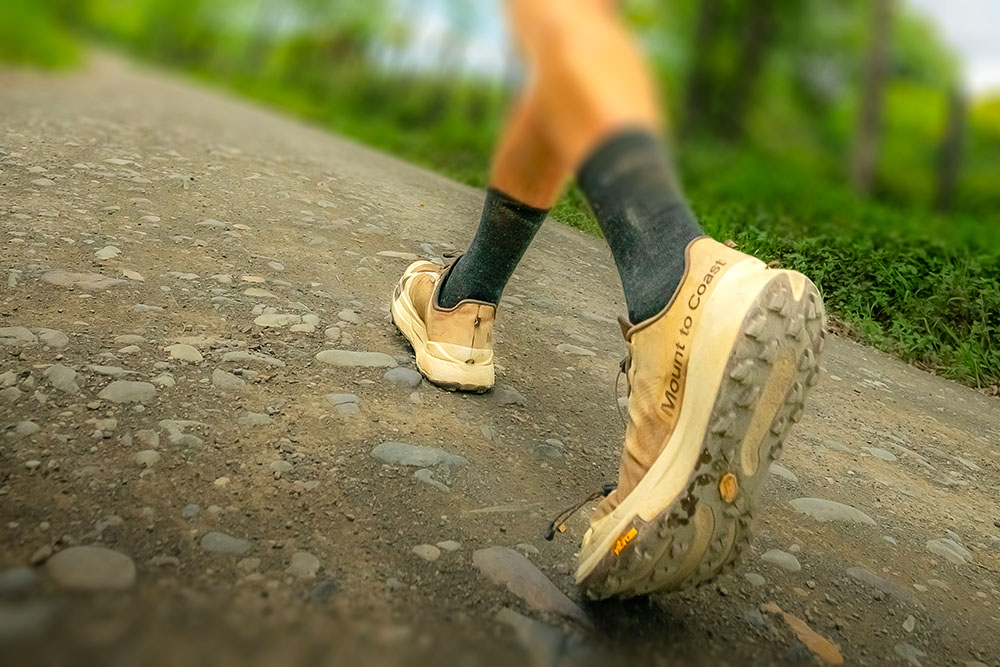
One Hundred is proud to announce Mount to Coast as its official partner, bringing together two organisations united by a shared commitment to endurance, progression and the athletes who continually push beyond what is possible.
The partnership marks the beginning of a long-term collaboration that goes well beyond a traditional sponsorship. Instead, Mount to Coast will be integrated throughout the One Hundred championship series, becoming part of the stories, athletes and race environments that define ultra-endurance racing.
The collaboration will make its debut at Cro Trail in Italy this September, one of the flagship events on the One Hundred calendar. Across the event, Mount to Coast will feature naturally within race coverage, athlete profiles and behind-the-scenes content, showcasing how athletes and equipment perform in real race conditions.
Rather than placing the product at the centre of the story, the partnership is built around authentic moments. From race preparation and crew support to technical terrain and the challenges of competing across 100- and 200-mile events, the focus will remain on the athletes and the environments that shape their performances.
Matthew Feng, Marketing Director of Mount to Coast, said the partnership was a natural fit.
"We are proud to be the official partner of One Hundred. For years, it has been deeply committed to the 100- and 200-mile distances and the global ultrarunning community, delivering exceptional race experiences around the world. This aligns perfectly with our brand philosophy: transcend distance."
As One Hundred continues to grow its global championship series, the partnership reflects a shared vision of celebrating the sport through genuine storytelling and real-world performance.
Throughout the season, content will capture the highs and lows of ultra-endurance racing, from athlete journeys and race-day decisions to the terrain, conditions and moments that make each event unique. Mount to Coast will form a natural part of those stories, reinforcing its connection to the sport through authentic performance rather than traditional promotion.
With Cro Trail marking the first chapter of the partnership, One Hundred and Mount to Coast look forward to showcasing the people, places and performances that continue to shape the future of ultra-endurance racing.